

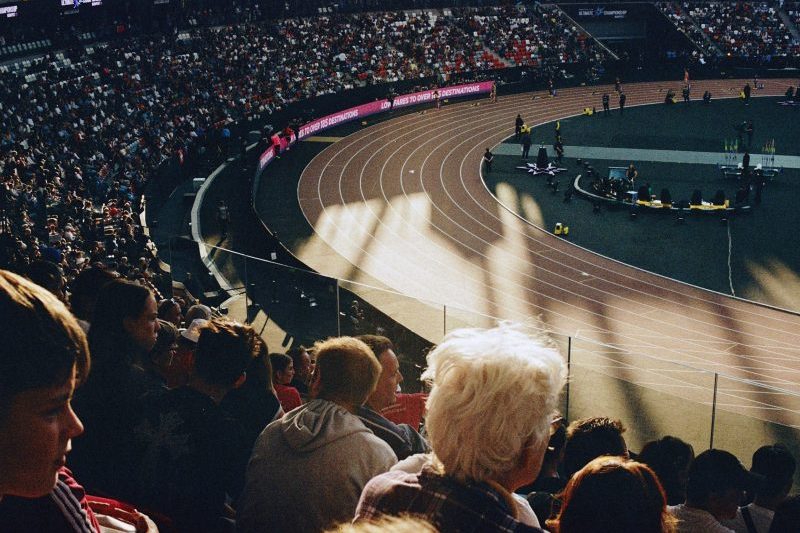
The Brisbane 2032 Games are less than six years away, but the stadium design team has been appointed and design and early works are underway, according to GIICA’s Brisbane Stadium overview. The food and beverage decisions that will shape the guest experience for decades are being made now.
Opening ceremonies are remembered for the spectacle, but the venues that host them are judged for decades afterwards on something more ordinary: whether a fan can get a drink and a meal at half-time without missing the restart. For the Brisbane 2032 venues, that test starts in design documents rather than on match day. Concourse widths, concession numbers, back-of-house routes and the way a precinct trades on non-event days need attention early, when there is still scope to change the plan.
What is being built
As outlined in the Queensland Government’s March 2026 stadium design announcement, the Games Venues Infrastructure Program is worth $7.1 billion, is jointly funded by the Australian and Queensland governments and is being delivered by the Games Independent Infrastructure and Coordination Authority. Its centrepiece is the new Brisbane Stadium at Victoria Park, with COX Architecture, Hassell and Azusa Sekkei appointed as its design team. In March 2026, the government announced that critical features had been locked in, including a field of play equivalent to the Melbourne Cricket Ground, an east-west orientation and a central position near Gilchrist Avenue that “nestles the stadium between two hills in a naturally occurring amphitheatre”.
The program extends well beyond one stadium. The Sunshine Coast Stadium upgrade is planned to provide around 10,000 permanent seats, with temporary seating taking Games-time capacity to up to 20,000. That represents a substantial increase from the existing 1,046 permanent seats recorded in the Queensland Government’s March 2026 announcement. The new Moreton Bay Indoor Sports Centre is planned to provide 12 multi-use courts across two halls, with Games-time capacity of up to 10,000 spectators. Under the Games plan announced by the Queensland Government in March 2025, the Gabba is to be used for cricket in 2032 before redevelopment as an entertainment and housing precinct, while the RNA Showgrounds Main Arena is planned to be upgraded to a 20,000-seat outdoor arena.
Games mode and legacy mode
According to GIICA’s current Brisbane Stadium overview, the venue is being planned with capacity for 63,000 spectators and up to 70,000 for concerts. It is planned to host the opening and closing ceremonies, with athletics and Para athletics listed as proposed Games uses, before becoming a home for the Brisbane Lions, Brisbane Heat and Queensland Bulls in legacy mode. The Queensland Government’s September 2026 cricket update also sets out plans for international cricket at the new stadium from the 2032–33 season.
For food and beverage planning, those proposed uses call for testing at least three operating scenarios. Games planning should account for international visitors, accreditation zones and security requirements. AFL and cricket scenarios should test regular-member demand, long sessions in Test cricket and short, intense intervals in football. Concert planning should test the likely audience profile, beverage demand and queue peaks for each event rather than assume every concert attracts the same crowd. A concession plan should be tested across these modes, not optimised for only one.
The stadium is built for 2032. Its food and beverage plan has to work for the thirty years after that.
The precinct around the stadium
The stadium sits inside a wider plan. The Victoria Park Precinct Draft Legacy Plan brings together Brisbane Stadium, the National Aquatic Centre, Brisbane Showgrounds upgrades, the future Brisbane Athletes Village, parklands and public spaces. Public consultation ran from 3 August to 27 September 2026, with feedback intended to inform the final legacy plan. The Queensland Government says around two-thirds of Victoria Park will remain green and public space.
For food and beverage, that creates a planning question beyond the event calendar: how will the precinct trade on the many days each year when there is no major event? Cafés, restaurants and kiosks serving park users, residents and workers should be assessed for their own locations, hours and formats, alongside event-day concessions. Planning the two together can identify opportunities for shared infrastructure without assuming that everyday trade and event crowds need the same offer.
Decisions that are fixed early
Several food and beverage decisions belong in the design brief. Test the number, size and position of concessions against likely queue lengths and walking distances. Assess back-of-house routes, loading docks, cool rooms and waste areas against the need to restock between innings or reset between events. Check that power, water and drainage at each outlet support the intended menu and leave room for future changes.
The balance between staffed counters, self-service and mobile ordering also needs early consideration. Our discussion of The New Era of Self-Service Concession Outlets for Venues and Stadiums provides a starting point for that review. The practical task is to test ordering, payment, collection and staffing together rather than treat technology as something to add after the layout is settled.
Six questions for 2032 venue teams
-
Which operating modes is the plan designed for? Test the concession layout against Games, regular season, Test cricket and concert scenarios, not just the busiest one.
-
Where will the queues form? Model peak demand at each interval and position outlets so queues do not block concourses.
-
Can back-of-house keep up? Confirm that loading, storage, waste and staff routes support restocking during an event and quick resets between events.
-
Is every outlet serviced for flexibility? Provide power, water and drainage that allow menus and formats to change over the life of the venue.
-
How will the precinct trade without an event? Plan non-event-day food and beverage for park users, residents and workers alongside event-day concessions.
-
What will guests expect in 2032 and 2050? Allow for changes in ordering technology, payment and dietary expectations that cannot yet be predicted.
The Brisbane 2032 venues will be judged long after the Games on how well they serve the crowds that follow. Alto Cibum is not involved in the 2032 projects described here, but stadium and precinct food and beverage planning is core to our food and beverage masterplan work. Our discussion of the Changing Face of Stadium Food and Beverage explores evolving fan expectations, while our projects show how planning principles have been applied in other venues.
Robert Clifford, Managing Director, Alto Cibum
Plan Food and Beverage for Every Operating Mode
Event-day demand and everyday precinct trade belong in the same brief. Alto Cibum helps venue and precinct teams plan outlet formats, guest flow and back-of-house operations together, with flexibility for different crowds, events and future service models.
Discuss Your Venue MasterplanAlto Cibum is not involved in the Brisbane 2032 projects described in this article.
Keep Reading
The New Era of Self-Service Concession Outlets for Venues and Stadiums
Explore the ordering, payment and operational questions
behind self-service concession formats.
Changing Face of Stadium Food and Beverage
Consider how menus, pre-ordering, service technology and
operating costs shape the stadium food and beverage offer.
The Biggest Mistakes New Hospitality Venues Make Before Opening
Learn why kitchen workflow, menu planning and operating
systems need attention before opening day, not after
problems emerge.
Stay up to date with Alto Cibum
Practical insights on hospitality strategy, operations, trends and design. Follow Alto Cibum on LinkedIn or subscribe to our fortnightly newsletter.